• Skip to secondary menu
  • Skip to main content
  • Skip to primary sidebar

Micronesia Land Grant Program

Good things are happening!

  • Home
  • About Us
    • Welcome to our website
    • Administration
    • Board of Regents
    • College of the Marshall Islands & Land Grant Program
    • College of the Micronesia – FSM & Land Grant Program
    • Palau Community College & Land Grant Program
    • Micronesia Land Grant Locations Map
    • Frequently asked questions
    • Contact Us
  • Land Grant people
    • All Micronesia Land Grant People
    • Micronesia Land Grant Administration & Regional Projects People
    • College of Micronesia-FSM Land Grant Administration
    • COM-FSM Chuuk Campus People
    • COM-FSM Kosrae Campus People
    • COM-FSM Pohnpei Campus People
    • COM-FSM Yap Campus People
    • College of Marshall Islands People
    • Palau Community College people
  • Research
    • Marshall Islands Agricultural Research Station
    • College of Micronesia – FSM – Research
      • Chuuk Agricultural Experiment Station
      • Kosrae Agricultural Experiment Station
      • Pohnpei Agricultural Experiment Station
      • Yap Agricultural Experiment Station
    • Palau Agricultural Experiment Station
    • Special Research Projects
  • Extension
    • College of the Marshall Islands – Extension
    • College of Micronesia – FSM – Extension
      • Chuuk Cooperative Extension Service
      • Kosrae Cooperative Extension Service
      • Pohnpei Cooperative Extension Service
      • Yap Cooperative Extension Service
    • Palau Community College – Extension
  • Instruction
    • College of the Marshall Islands – Resident Instruction
    • College of Micronesia – FSM – Resident Instruction
    • Palau Community College – Resident Instruction
  • Publications
  • Links
  • Job openings

administrator2

Focus on Food Helps Solve Climate Change

February 19, 2020

Steven Young-Uhk
Director, Cooperative Research and Extension, College of Micronesia-FSM

A paper co-authored by Dr. Murukesan Krishnapillai (Research Scientist at Cooperative Research and Extension, College of Micronesia-FSM, Yap Campus) released today by the journal Nature Food presents a new global food system approach to climate change research that brings together agricultural production, supply chains, and consumption. When these activities are considered together, they represent 21 to 37 percent of total human-caused greenhouse gas emissions, the paper notes. It says that this new approach also enables a fuller assessment of the vulnerability of the global food system to increasing droughts, intensifying heatwaves, heavier downpours, and exacerbated coastal flooding. Food system responses thus play a major role in both adapting to and mitigating climate change, the authors assert.

The authors of the paper worked together on the Food Security chapter of the recent Intergovernmental Panel on Climate Change Special Report on Climate Change and Land. They represent a wide range of food systems from around the world, from major commodity and livestock producers to smallholder farming systems.

“The global food system approach represents a significant advance in helping producers and consumers plan effective and well-integrated climate change responses,” said Cynthia Rosenzweig, the lead author and head of the Climate Impacts Group at the NASA Goddard Institute for Space Studies.

Concurrent with the paper, FAO is releasing today new emission statistics for the period 1990-2017 that provide the shares of agriculture and related land use in total emissions from all economic sectors, for all countries (http://www.fao.org/faostat/en/#data/EM).

“To address sustainable development and climate challenges, the food system approach helps countries implement a range of context-specific responses on adaptation and mitigation,” said Cheikh Mbow, one of the co-authors and director of Future Africa.

“The food system is under pressure not only from climate change but also from non-climate stressors such as population growth and demand for animal-sourced products. These climate and non-climate stressors are impacting the four pillars of food security. Diversification of fo
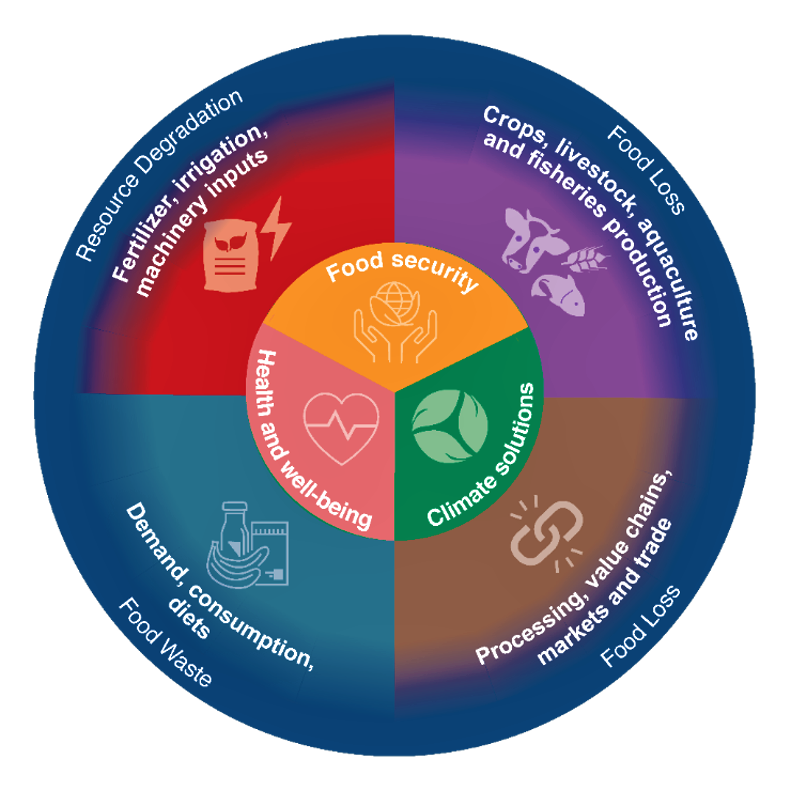
Food system components
Food system components, linkages, and outcomes

od system by establishing integrated production systems, broad-based genetic resources and balanced diets incorporating plant-based foods can reduce risks from climate change,” said Dr. Muru.

To respond to climate change via their food systems, countries can now move beyond supply-side mitigation in crop and livestock production, which has been the traditional approach, to encompass demand side strategies, mainly dietary changes.

Food system components, linkages, and outcomes
One answer to the climate crisis is on our plates. Plant-based diets reduce the amount of methane emissions, a powerful greenhouse gas released by ruminants. They also require less land, thus sparing areas that can be used to plant trees and store more carbon. When both these effects are combined, the maximum amount of greenhouse gas reduction achievable through dietary change is up to 8 billion tons of CO2e per year, say the authors (total anthropogenic emissions are currently about 52 billion tons per year).

Healthy and low-emission diets that are primarily plant-based can also reduce the burden of key non-communicable diseases, such as heart disease and diabetes, say the authors.

Access the paper, here: https://www.nature.com/articles/s43016-020-0031-z
Filed Under: Featured Story, Uncategorized, Yap Extension, Yap Research

Yap CRE promoted local food production methods during World Food Day 2018

October 23, 2018

Dr. Murukesan Krishnapillai, Researcher/Extension Specialist, Cooperative Research and Extension. YAP, FSM.

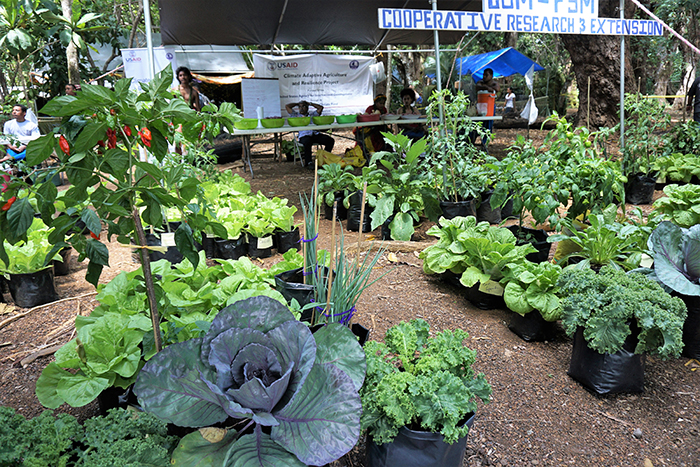
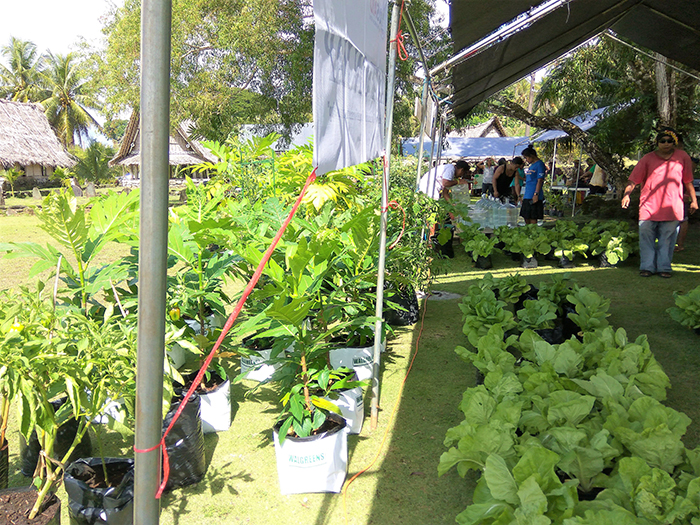
Yap observed World Food Day 2018 on Friday, October 19th. This event was organized by Yap Interagency Nutrition Education Council along with local partners. Yap CRE participated in the event showcasing a variety of locally produced fresh vegetables adopting small farm models.

World Food Day is a day of action dedicated to tackling global hunger. Held annually on 16th October, people from around the world come together to declare their commitment to eradicate worldwide hunger from our lifetime. The theme of this year’s event was “Our Actions Are Our Future: A #ZeroHunger World By 2030 is Possible.”

The new report, State of Food Security and Nutrition in the World 2018 confirms that the number of people suffering from hunger has been growing over the past three years, returning to levels from almost a decade ago. Multiple forms of malnutrition are evident in many countries, including Micronesia, adult obesity is growing even as forms of undernutrition persist. Climate variability and extremes are key drivers behind this rise, together with conflict and economic downturns. The report reveals new challenges on the road to #ZeroHunger, while setting out urgent actions needed to achieve the goal by 2030. The report suggests the need to strengthen local and global food systems to help more children and families access nutritious, affordable and sustainable diets.

Since 2017, Yap CRE is partnering with Catholic Relief Services in ACT on Yap Project to support island communities and smallholders to enhance their agriculture strategies with outreach, technical assistance and extension trainings in climate adaptive techniques to make local food production more resilient to extreme weather events. The ACT on Yap Project participants joined World Food Day 2018 event by displaying and selling their garden produce. This event was also a forum to recruit interested participants to this project. We encourage everyone to engage in community gardening activities to enhance local food production and cater the needs of the island population. This would not only help to attain self-sufficiency but also reduce carbon footprints in the long run.

Whether you are a business, farmer, public servant, or simply someone who is willing to make a change, you can take action for #ZeroHunger!

What can you do to help achieve #ZeroHunger?

  • Do not waste food
  • Produce more with less
  • Adopt a more healthy, sustainable diet
  • Advocate for #zerohunger

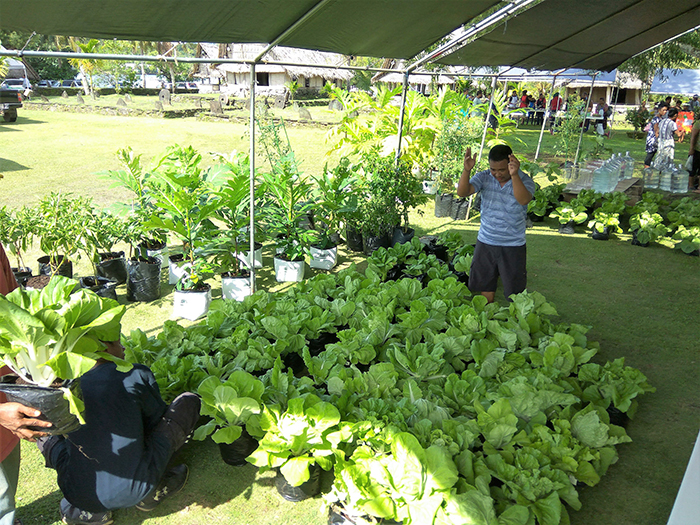
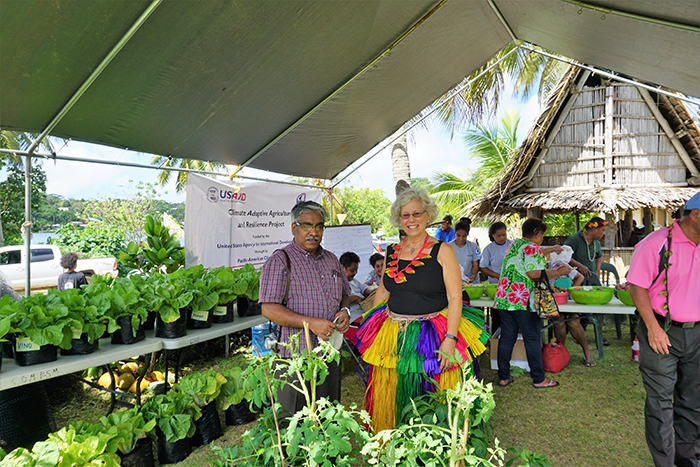
A view of Yap CRE booth.

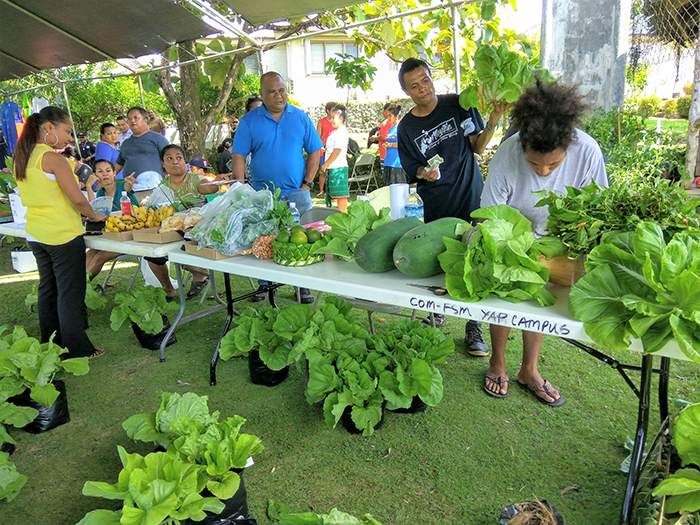
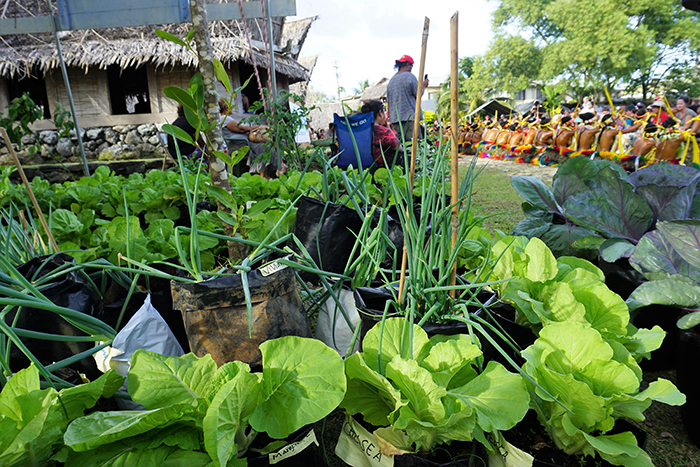
Vegetables on display at Yap CRE booth.

Fresh garden produce from ACT on Yap project participants on sale during the event.

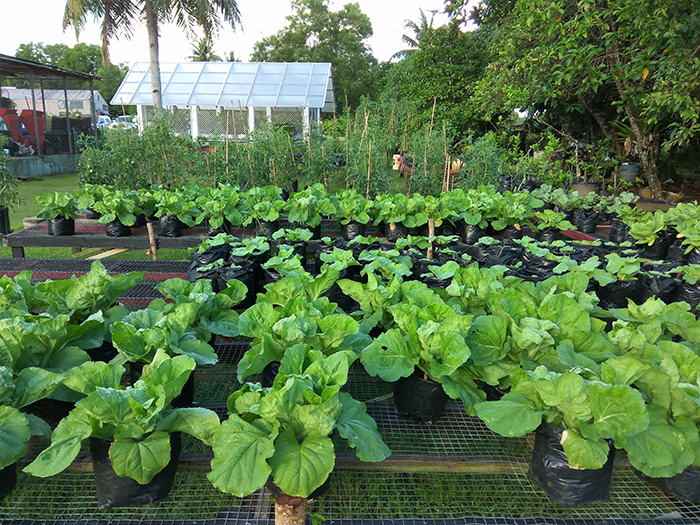
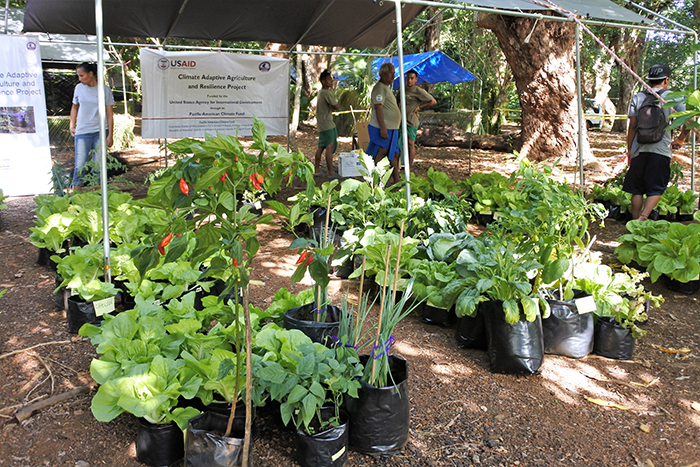
Yap CRE demonstration garden.

Filed Under: Featured Story, Yap Extension, Yap Research

Cocopith - An ecofriendly growing choice

October 8, 2018

Yap, FSM. Dr. Murukesan Krishnapillai, Researcher/Extension Specialist, Cooperative Research and Extension. YAP, FSM.

As with any garden, soil preparation is what really counts when it comes to growing successfully in containers. It’s the foundation. It’s the staff of life. In other words, selecting a right potting mix for your plants is key to success. Skimp on the soil, you will get weak, non-productive crops that require more work to maintain and are susceptible to all kinds of pest problems.

For years, Yap CRE has been promoting container gardening among communities for growing vegetables owing to some obvious challenges with native soils for field cultivation. The two predominant types of soils – upland soils underlain by volcanic material and upland soils underlain by schist – have different properties and therefore, behave differently and they need different management strategies. In our pursuit of finding a local alternative to soil, we found that coconut husk as an ideal medium for growing plants in containers. Coconut husk is made up of natural fibers called coir along with parenchymatous, spongy material coirpith that binds the fiber in the husk. Being made up of sclerified tissue, coconut fiber as such doesn’t retain much water at all. However, it does two things in the media: it creates aeration through voids it leaves in the coir, and it also gives the media optimal structure to further prevent compaction, which is important to having a healthy root zone. The pith acts like micro sponges where the moisture is stored. The fiber and the pith together make a great media with an excellent air to water ratio.

Over the years, we standardized a method to make a suitable potting mix from discarded coconut husks (click to see fact sheet). See the link for a video of preparing potting mix from coconut husk. We thank Dr. J.B. Friday of CTAHR, University of Hawai‘i at Manoa for assistance with the flyer and for producing the video.

Filed Under: Featured Story, Yap Extension, Yap Research

Yap CRE Outreach Programs - Cultivating Healthy Communities Through Vegetable Gardening

March 10, 2018

YAP, FSM. Dr. Murukesan Krishnapillai, Researcher/Extension Specialist, Cooperative Research and Extension. YAP, FSM.

Yap CRE outreach programs continue to enthuse island communities and off-island visitors alike with rich array of climate-smart, nutritious vegetable production systems as demonstrated through participation in the annual cultural celebrations.

Yap celebrated 50th edition of Yap Day from February 28 to March 2, 2018. It is that time of the year when island communities get together to celebrate Yap Island’s most colorful days with traditional dances, crafts, competitions and demonstrations on local development programs.

With continued efforts to reach out to the communities through research, extension and education activities, Yap CRE’s veggie stall showcased various climate smart food production systems and low-cost urban garden models of nutritious vegetables. These climate smart food production systems were developed and tested earlier under a Hatch Project from USDA. Further, these were field tested and scaled up among community settlements across Yap under Climate Adaptive Agriculture and Resilience (CAAR) Project funded by USAID-Pacific American Climate Fund. These vegetable production systems explicitly address climate resilient development through adaptation efforts at the community level that reduces vulnerability by securing nutrition under a changing climate. A variety of nutritious vegetables from Yap CRE demonstration gardens and CAAR Project beneficiaries’ kitchen gardens were on display and sale.

Visiting diplomats, dignitaries, national and state government officials, traditional leaders and other community members commended on Yap CRE’s outreach efforts promoting nutritious vegetables to enhance food and nutrition security of island communities. A great teamwork of CRE staff, ag interns, work-study students and CAAR Project beneficiaries brought success to our participation in Yap Day 2018 celebrations.

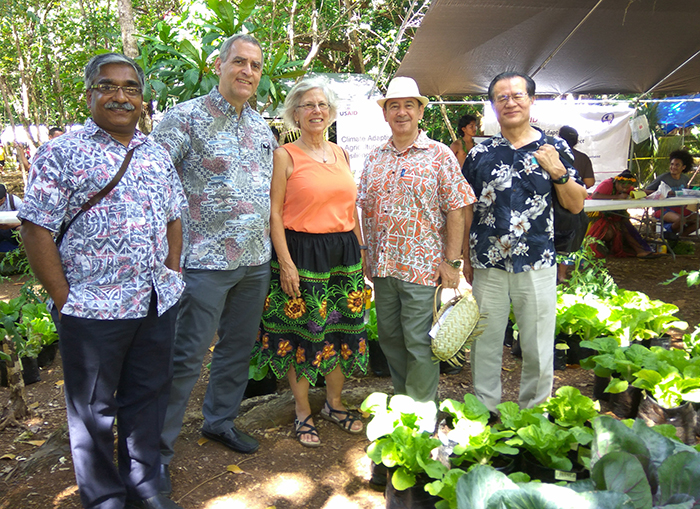
Dr. Muru with US Ambassador Robert Riley, US Deputy Chief of Mission Joanne Cummings, Australian Ambassador George Fraser and Japanese Ambassador Ryoichi Horie.

More views of the CRE booth.

DCM Joanne Cummings with Dr. Muru.

More views of the CRE booth.

More views of the CRE booth.


Filed Under: Featured Story, Yap Extension, Yap Research Tagged With: Yap Day

Integrated research and outreach on in vitro multiplication, sustainable, organic and climate-smart commercial cultivation of black pepper

January 21, 2018

KOSRAE, FSM. Dr. Virendra M. Verma, Researcher and Extension Specialist, Kosrae Agricultural Experiment Station.

Black pepper (Piper nigrum L.) a flowering vine of Piperaceae family, is valued for its dried berries called peppercorns, which are used as a spice and for medicinal purposes. Native to the humid jungles of the Malabar Coast of Southwestern India, the plant is cultivated in the tropics worldwide. In Micronesia, it is gaining commercial importance as an important cash crop because of premium price. Traditionally, the trunks of two cultivars of large native tree fern (Cyathea nigricans) are used as supports for black pepper cultivation. However, short life-span of these tree ferns along with the rapid decline in their population due to increasing use of tree trunks for construction, is becoming a limitation for commercial black pepper cultivation in the region.

Therefore, to promote sustainable black pepper cultivation in the region, an integrated research, outreach and education project entitled, ‘Black pepper micropropagation for elite seedling production: Comparison of local practices and commercial cultivation methods’ was initiated by the Project Director Dr. Virendra M. Verma. This project is approved and funded by the United States Department of Agriculture, National Institute of Food and Agriculture (USDA-NIFA) for Micronesia. This project is of great significance as it is specifically designed to develop black pepper micropropagation and nursery management systems to produce and ensure the year-round availability of identical, disease-free and high-quality planting material. The objectives of the project include: finding alternative supports to overcome the limitations caused due to shortage of tree ferns, determining appropriate fertilizer type and doses, along with the development and publication of a commercial black pepper cultivation guide appropriate for Micronesia.

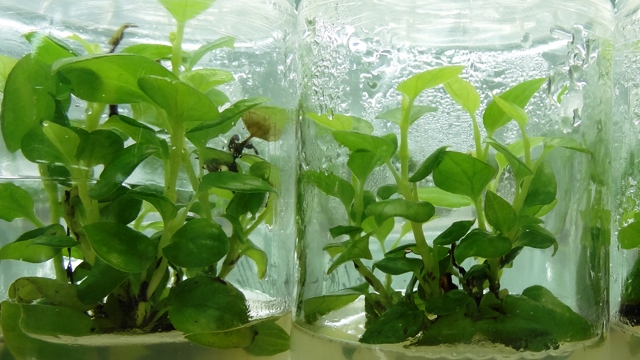
This project is first of its kind not only in the Micronesian region but also in the Pacific region because it is integrating and employing multiple latest tools and technologies such as plant biotechnology, horticulture, microbiology, plant physiology and plant pathology for sustainable, climate-smart and organic commercial cultivation of black pepper. The project is utilizing plant biotechnological techniques such as in vitro cloning for uniform black pepper plantlet production, greenhouse acclimatization of cloned black pepper plantlets for elite, disease-free seedling production, automatic fertilizer injectors for uniform fertilizer application, and organic fertilizers to provide essential nutrients and maintain beneficial soil microorganisms along with appropriate site-specific and climate-smart horticultural, plant physiological and integrated pest management practices. The project activities also include educating local farmers in site-specific sustainable agricultural practices, and providing appropriate recommendations and training for sustainable, climate-smart and organic commercial black pepper production in the region.

Successful execution of project objectives has resulted in the development of a highly efficient and reliable in vitro cloning method for multiplication and production of elite, uniform and diseases-free black pepper plantlets, and acclimatization of hundreds of cloned plantlets into uniform and diseases-free seedlings of a locally preferred and commercially important black pepper cultivar Piper nigrum cv. Srilanka through appropriate nursery management systems.

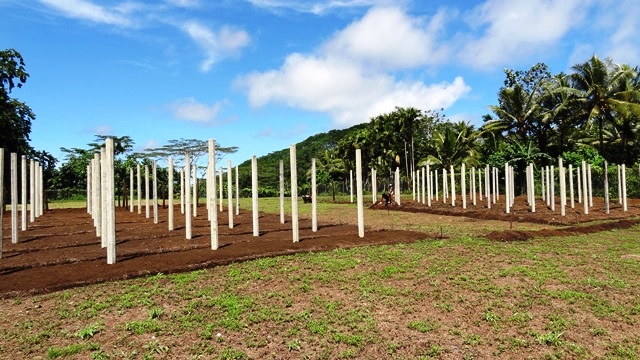
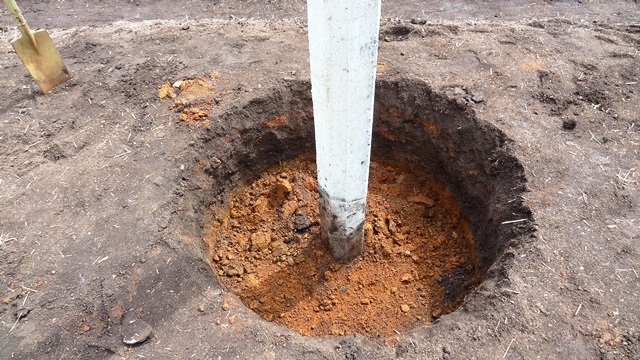
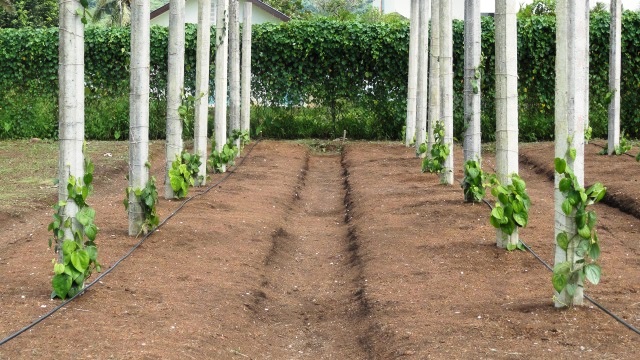
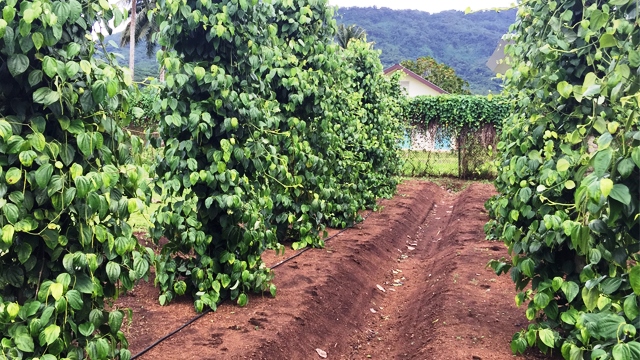
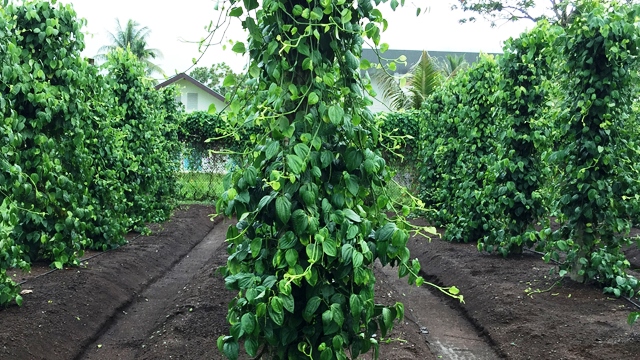
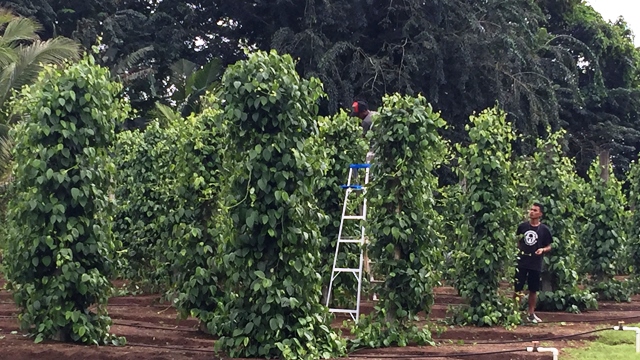
Considering the extremely limited availability of traditional tree fern supports and their very short lifespan, non-living supports such as reinforced cement-concrete standards have been specifically designed and constructed at pilot site to support the vines of fully acclimatized black pepper plants in the field. In addition, raised beds, which ensure perfect water drainage, organic fertilizers for soil amendment along with organic mulching, and automatic fertilizer injectors which provide perfect nutrition, were used for the establishment and maintenance of black pepper plantations.

Research trials for commercial black pepper cultivation have been designed, and implemented at pilot site, and data collection is in progress for analysis. The outcomes of this analysis would be ultimately used for the development and publication of a commercial cultivation guide to specifically suit the needs of local farmers. The project is also conducting comparative research study of local black pepper cultivation practices and sustainable commercial cultivation methods. Pilot site is being developed and would be used as demonstration site to carry out research, outreach and education activities of the project to encourage and promote sustainable commercial black pepper production among local farmers in the region. Recommendations for sustainable black pepper production would be provided through training workshops, hands-on trainings, farm visits, and field days.

The overall aim of the project is to develop sustainable black pepper production systems in Micronesia by providing elite and disease-free seedlings, appropriate recommendations for commercial black pepper production such as sustainable, organic and climate-smart technology and developing skills and improving the agricultural knowledge of local farmers. Adoption of new practices such as micropropagation of black pepper for improved and enhanced productivity will ultimately help in reviving local black pepper industry. Furthermore, this project would provide opportunities for income generation and profitable self-employment to the participating farmers. In addition, the pilot site is serving as an excellent cultivation model to encourage other farmers and rural communities in successfully adopting the sustainable, climate-smart and organic commercial black pepper production practices. Enjoy these photos of this project!

In vitro multiplication of black pepper seedling.

Reinforced cement concrete standards or supports.

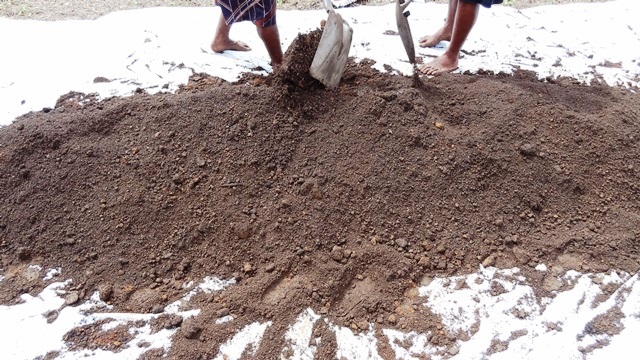
Soil amendments with organic fertilizers.

Amended soil filled around standards.

Raised beds for crop management and disease-free seedlings.

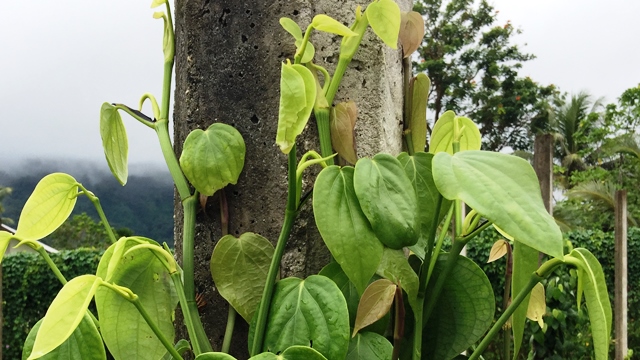
Establishment of black pepper plants in field.

Black pepper vine training.

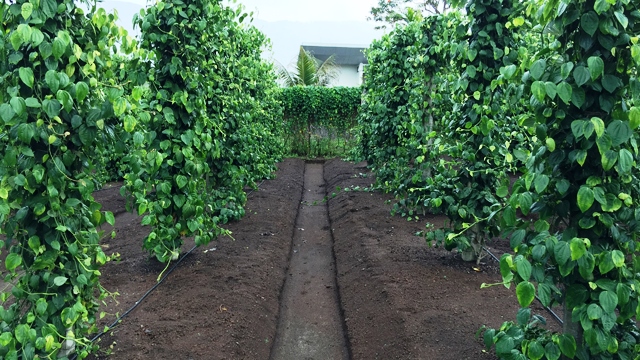
Black pepper cultivation and best disease management practices.

Elevated beds for perfect water drainage.

Liquid fertilizer application through fertilizer injector.

Healthy and vigorous black pepper vines - One year old after planting.

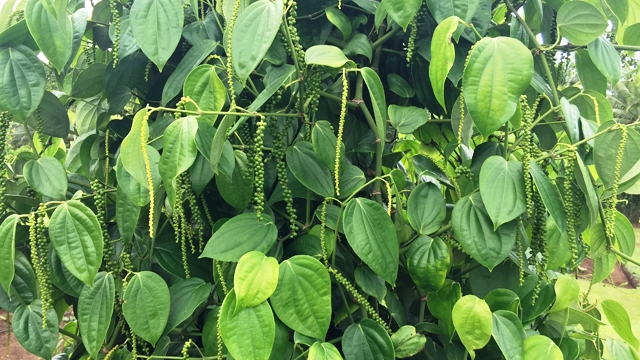
Black pepper flowering.

Black pepper fruit setting.

Black pepper vine pruning.

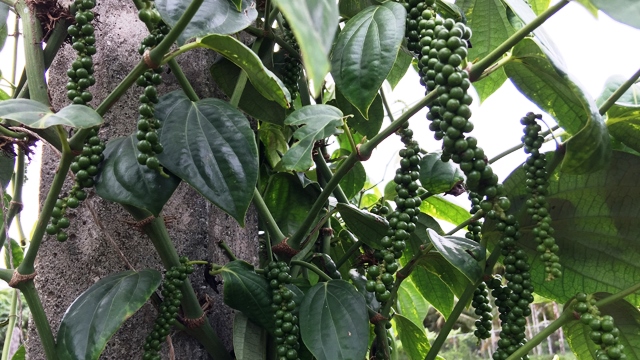
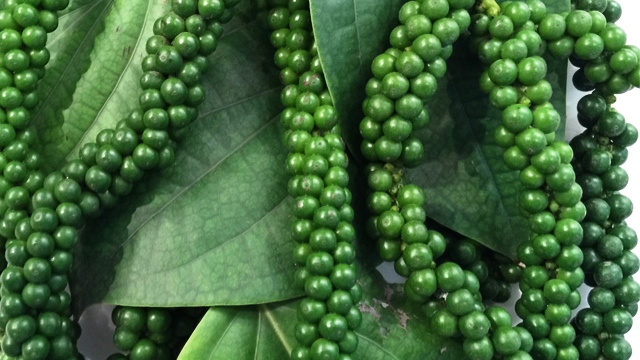
Ready to harvest drupes of black pepper.

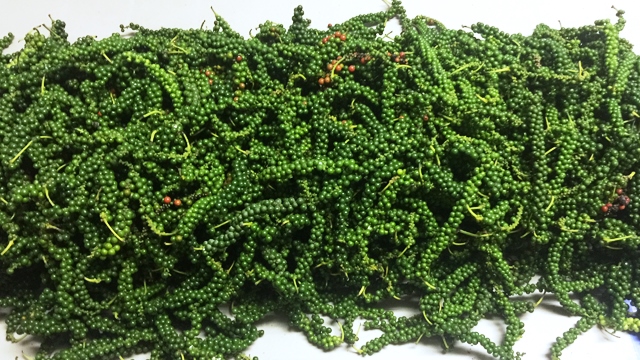
Harvested drupes of black pepper.

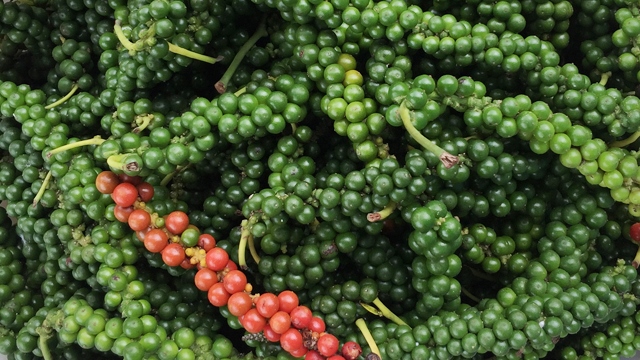
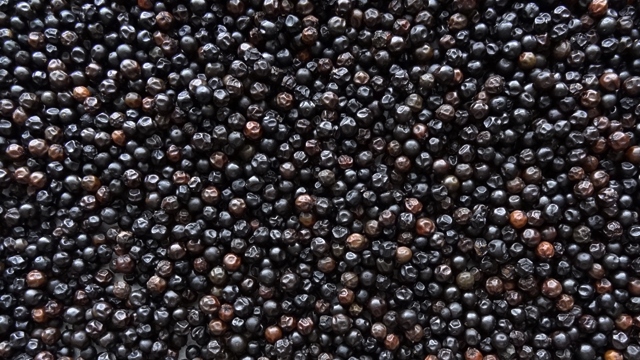
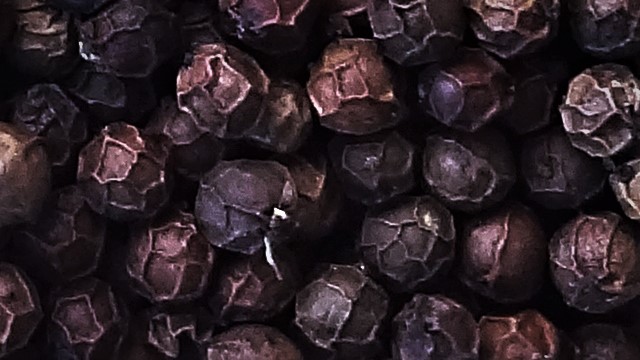
Close-up of harvested drupes of black pepper.

Processing of black peppercorns.

Close-up of processed black peppercorns.

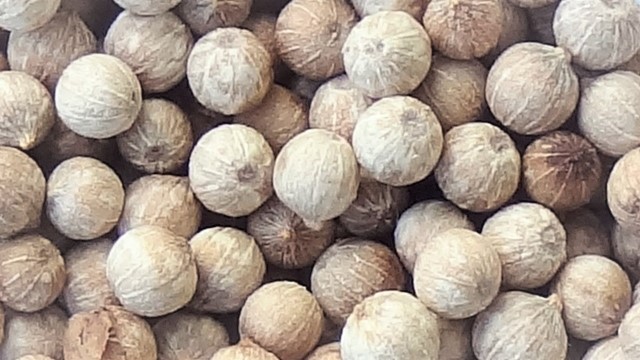
Close-up of processed white peppercorns.

Filed Under: Kosrae Extension, Kosrae Research, News from land grants

  • Go to page 1
  • Go to page 2
  • Go to page 3
  • Interim pages omitted …
  • Go to page 10
  • Go to Next Page »

Primary Sidebar

Visit our programs

  • College of the Micronesia - FSM & Land Grant Program
  • College of the Marshall Islands & Land Grant Program
  • Palau Community College & Land Grant Program

Most frequently used words in tags

agriculture banana Bangladeshi biochar Black pepper chicken Chuuk climate change collaboration compost container gardening crab entomology Extension food security fruits grafting Kosrae lime livestock mangroves Marshall Islands outer islands outreach Palau Pearl pest Pineapple Pohnpei publications root crops salt tolerant smart climate agriculture sustainable sweet potato taro tissue culture training typhoon urban gardening vegetables World food day Yap Yap Day youth

For college staff

  • For staff

Locations of Micronesia Land Grant

November 2022
M T W T F S S
« Feb    
 123456
78910111213
14151617181920
21222324252627
282930  

and more . . .

Pearl farm management and halfpearl seeding training in Pakin Atoll, Pohnpei State, February 5-7, 2104

KOLONIA, POHNPEI, FSM. Dr. Manoj R. Nair (1) and Justino Smith (2) (1) Director & Chief Scientist, COM Land Grant … [Read More...] about Pearl farm management and halfpearl seeding training in Pakin Atoll, Pohnpei State, February 5-7, 2104

http://www.micronesialandgrant.org/wp-admin/

Copyright © 2022 ·Lifestyle Pro · Genesis Framework by StudioPress · WordPress · Log in