• Skip to secondary menu
  • Skip to main content
  • Skip to primary sidebar

Micronesia Land Grant Program

Good things are happening!

  • Home
  • About Us
    • Welcome to our website
    • Administration
    • Board of Regents
    • College of the Marshall Islands & Land Grant Program
    • College of the Micronesia – FSM & Land Grant Program
    • Palau Community College & Land Grant Program
    • Micronesia Land Grant Locations Map
    • Frequently asked questions
    • Contact Us
  • Land Grant people
    • All Micronesia Land Grant People
    • Micronesia Land Grant Administration & Regional Projects People
    • College of Micronesia-FSM Land Grant Administration
    • COM-FSM Chuuk Campus People
    • COM-FSM Kosrae Campus People
    • COM-FSM Pohnpei Campus People
    • COM-FSM Yap Campus People
    • College of Marshall Islands People
    • Palau Community College people
  • Research
    • Marshall Islands Agricultural Research Station
    • College of Micronesia – FSM – Research
      • Chuuk Agricultural Experiment Station
      • Kosrae Agricultural Experiment Station
      • Pohnpei Agricultural Experiment Station
      • Yap Agricultural Experiment Station
    • Palau Agricultural Experiment Station
    • Special Research Projects
  • Extension
    • College of the Marshall Islands – Extension
    • College of Micronesia – FSM – Extension
      • Chuuk Cooperative Extension Service
      • Kosrae Cooperative Extension Service
      • Pohnpei Cooperative Extension Service
      • Yap Cooperative Extension Service
    • Palau Community College – Extension
  • Instruction
    • College of the Marshall Islands – Resident Instruction
    • College of Micronesia – FSM – Resident Instruction
    • Palau Community College – Resident Instruction
  • Publications
  • Links
  • Job openings

News from land grants

Extensive hands-on trainings on integrated sustainable agriculture for root crops, vegetables and fruit production

July 14, 2013

KOSRAE, FSM. Dr. Virendra M. Verma, Researcher/Extension Specialist, Kosrae Agricultural Experiment Station.

The key concept of the project was to implement and demonstrate to small-scale farmers, a successful integrated sustainable agriculture system that is promising in island conditions and is safe for the environment. The project provided adequate opportunities to educate and train farmers and rural communities in on-farm implementation of sustainable agriculture systems through hands-on trainings including PowerPoint presentations.

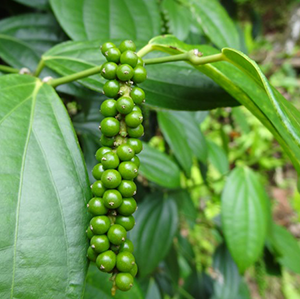
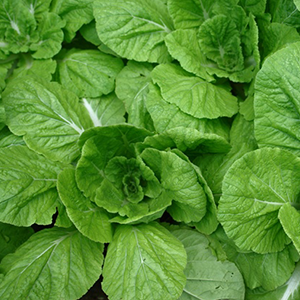
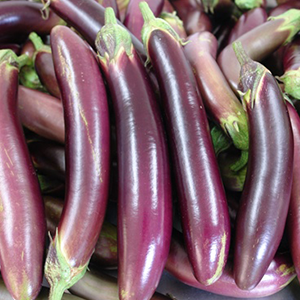
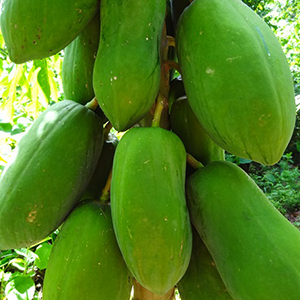
Project coordinator Dr. Verma, producers and participants maintained a high level of interest for development, implementation and demonstration of multiple integrated activities for cropping systems in a sustainable manner. Demonstration plots developed and used for demonstration of planned outreach activities to encourage establishment of integrated sustainable agriculture systems. At the project sites, vigorously growing crops, harvest of excellent sweet potatoes, bananas, eggplants, soft taro, pineapple, hot peppers, black pepper, watermelons, wax guard, Chinese cabbage and papaya attracted much attention of local communities.

Experiments are showing positive results and farmers are showing increased interest in developing agricultural farms. The extension activities have improved knowledge, created awareness and developed skills of participants in sustainable agriculture systems. Ultimately extension activities have developed positive attitudes, zeal for learning techniques and farming aspects, and have changed the behavior and economic condition of the participants.

Crops explored at workshop.

Banana
Banana

Black pepper
Black pepper

Chinese cabbage
Chinese cabbage

Eggplant
Eggplant

Hot pepper
Hot pepper

Papaya
Papaya

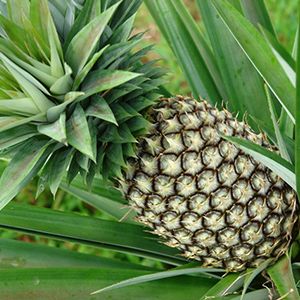
Pineapple
Pineapple

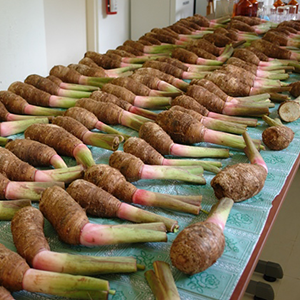
Soft taro
Soft taro

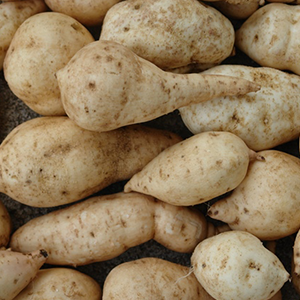
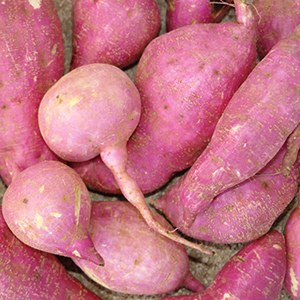
Sweet potato
Sweet potato

Sweet potato
Sweet potato

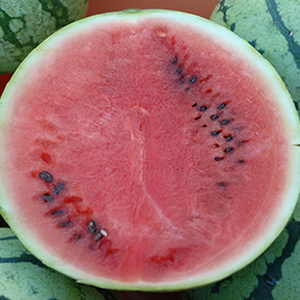
Watermelon
Watermelon

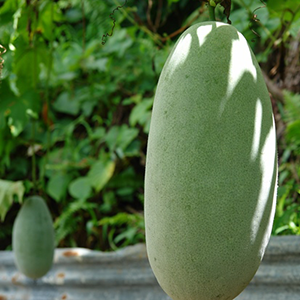
Wax gourd
Wax gourd

Filed Under: Kosrae Research, News from land grants Tagged With: fruits, Kosrae, root crops, training, vegetables

Assessment of salt tolerance in taro and sweet potato: in vitro selection, greenhouse and field evaluation

July 14, 2013

KOSRAE, FSM. Dr. Virendra M. Verma, Researcher/Extension Specialist, Kosrae Agricultural Experiment Station.

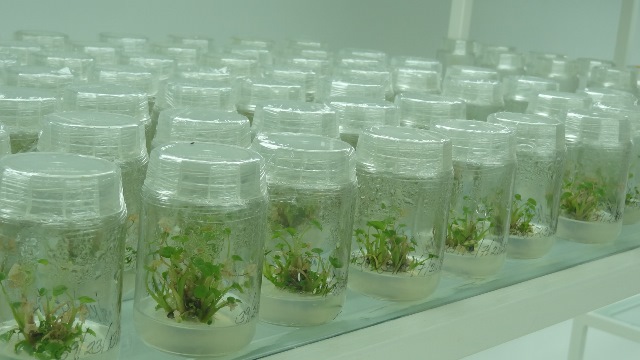
Salinity, an abiotic stress that combines elements of water deficiency and sodium toxicity is among the most serious and widespread of agricultural problems on islands resulting in lost crop yield and arable land. Therefore, the efforts to develop salt-tolerant plants are of immense importance to increase crop productivity. In recent years, tissue culture based in vitro selection has emerged as a feasible and cost-effective tool for developing salt tolerant plants. Sweet potato and taro are most important staple food crops in the Pacific Region for local consumption as well as for export. These crops contribute significantly to the socio-economics and provide livelihood to almost all island people and thus are crucial for ensuring nutritional and economic security. Both sweet potato and taro are placed on high agricultural priority but limitations in availability of salt tolerant germplasm, and disease-free and elite seedlings, is a major bottleneck in production. Therefore, the study is being undertaken for assessment of salt tolerance in taro and sweet potato through in vitro selection, followed by greenhouse and field evaluation. To establish aseptic cultures for collected germplasm of taro and sweet potato, various experiments were performed. Different concentrations of sodium chloride were used for in vitro selection of salt tolerant germplasm. This in vitro selected germplasm was further evaluated for salt tolerance in the greenhouse and finally was field evaluated at various sites in four replications. Some varieties of taro and sweet potato performed very well at coastal sites. Results based on various physiological and morphological parameters collected during the research.

Tissue culture sweet potato.
Tissue culture taro.


Filed Under: Kosrae Research, News from land grants Tagged With: Kosrae, sweet potato, taro, tissue culture

Backyard chicken farming in Yap

July 9, 2013

COLONIA, YAP, FSM. Steven Young-Uhk, CRE Coordinator, Yap Cooperative Research and Extension.

There is a growing trend in Yap for backyard chicken farming. More and more households in Yap are doing backyard poultry farming using imported breeds and combination of local feed materials and commercial feed to produce eggs for consumption and selling the surplus for extra income. Through one-on-one intervention and farm visits, Yap CES has been providing technical assistance and advice on a wide range of poultry topics including type of breeds, importation and quarantine requirements, brooding and caring for chicks, feeding, watering, and general health care.

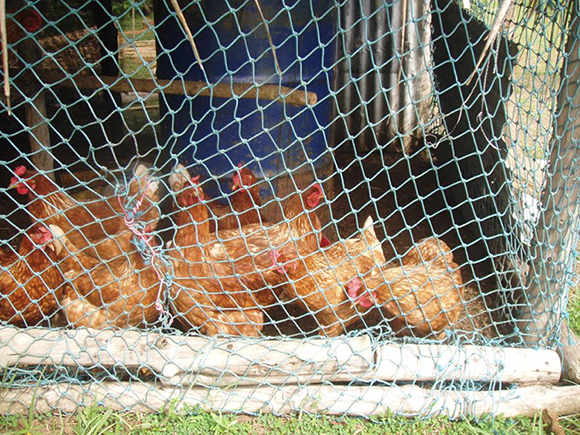
A recent extension survey on backyard chicken farmers in Yap revealed that these households are raising from 4 to 21 chickens per family (average of 11 chickens) and producing 3-19 eggs per day. Some families sell their eggs at a price range of $3.75 to $4.25 per dozen and/or $0.40 to 0.50 per fresh or boiled egg. The chicken coop designs are simple using a variety of low-cost materials such as bamboo, wire, or plastic fencing, thatch or old roofing tin for the roof, and dry litter materials for the flooring.

Raising chickens in the backyard offer many advantages to the households. This include: i) Hens will provide the family a steady supply of fresh healthy eggs, considerably healthier than their store bought counterparts, ii) Surplus eggs may be sold for extra family income, iii) Children can learn a lot from raising chickens and many people keep chickens as pets. Additionally chicken manure and bedding materials are good for the family garden.

A type of simple housing for the chickens.
Imported breed of chickens that families in Yap are raising for eggs.
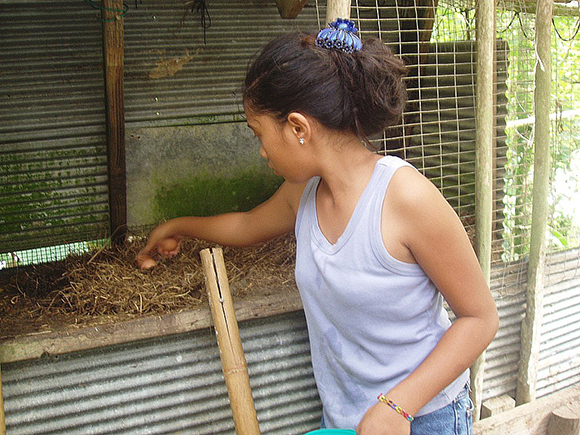
Collecting fresh eggs for the family.


Filed Under: News from land grants, Yap Extension Tagged With: chicken, Yap

Yap Extension speaks at St. Mary’s on a variety of topics

July 9, 2013

COLONIA, YAP, FSM, Martin Ruwniyol, 4-H Extension Agent, Yap Cooperative Extension Services.

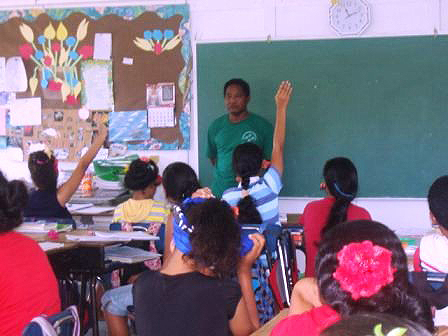
4-H Extension Agent, Martin Ruwniyol in the classroom giving a lecture on nutrition.

Yap CES 4-H Program conducted a Guest Speaker Program at St. Mary’s School from January to May 2013 in collaboration with Public Health, Yap State EPA, Youth Services Office and Our YAP, a youth organization. This extension activity falls under Planned Program - Families, Youths and Communities - and Knowledge Areas Human Development and Family Well-being (KA802) and Youth Development (KA806). Thirty-seven 8th graders attended and completed this program in which they were able to learn various topics on good nutrition and health. Class sessions comprised of lectures, group discussions and tests to assess student learning outcomes. Collaborating agencies gave lectures on food sanitation, water quality, food safety, personal hygiene etc. The 4-H agent was also the guest speaker during the graduation ceremony held on May 31, 2013 during which certificates of completion and special awards were given to the program participants. Beginning next academic year, Yap CES is planning to extend the Guest Speaker Program to other elementary schools in Yap as part of the youth extension program. Yap CES wishes to thank the Principal Timothy Moon, 8th Grade teacher Louisa Ilyaw and collaborating agencies for their assistance in this program.


4-H Extension Agent, Martin Ruwniyol during the 2013 St. Mary’s Graduation Ceremony as a Special Guest Speaker and also to give out awards of completion to students.


Filed Under: News from land grants, Yap Extension Tagged With: Extension, Yap

Assessment of in vivo and in vitro grafting for rapid production of elite grafted lime seedlings

July 8, 2013

KOSRAE, FSM. Dr. Virendra M. Verma, Researcher/Extension Specialist, Kosrae Agricultural Experiment Station.

Dr. Verma, Project Director of grafting project procured budwood of Mexican lime from the Citrus Clonal Protection Program, University of California and the United States Department of Agriculture National Clonal Germplasm Repository for Citrus & Dates. Procured Mexican lime budwood was grafted on sour orange rootstock. For subsequent growth grafted plants were kept in the greenhouse. Seeds of sour orange were surface sterilized with commercial sodium hypochlorite bleach and in vitro aseptic cultures of sour orange were established for rootstock production. Murashige and Skoog, 1962 (MS) medium augmented with different concentrations of 6-furfurylaminopurine, 6-benzylaminopurine and indole-3-acetic acid was used for initiation and establishment of sour orange rootstock cultures. Nodal explants of Mexican lime were surface sterilized with commercial sodium hypochlorite bleach and lateral shoot buds were used for in vitro grafting experiments. Subsequent passages were given every four weeks on MS medium augmented with different concentrations of 6-furfurylaminopurine, 6-benzylaminopurine and indole-3-acetic acid for further growth. Data for in vivo and in vitro grafting experiments were recorded every week.

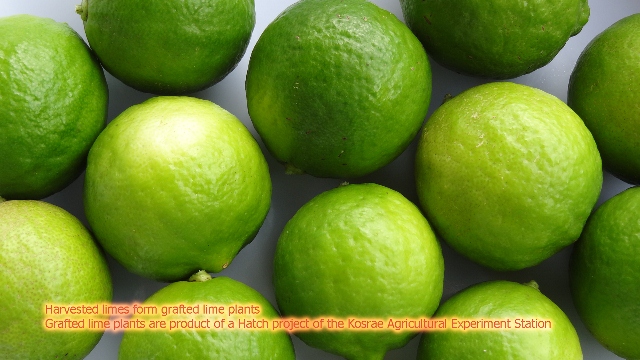
Lime is a valuable crop.

Both in vivo and in vitro grafting experiments showed positive results and sour orange rootstock accepted Mexican lime and Mexican lime thorn-less budwood. In vivo grafting experiments were performed during summer with 40% success rate for Mexican lime thorn-less budwood on sour orange rootstock while 10% success rate for Mexican lime budwood on same rootstock. In vivo grafted plants showed sprouting in the new bud during spring. In vitro grafting experiments were performed with 48% success rate for Mexican lime thorn-less budwood on sour orange rootstock. Participants skills and knowledge about in vitro and in vivo grafting techniques have been increased through collection and review of related literature; experimentation on in vitro and in vivo grafting; establishment of cultures; development of in vitro and in vivo grafting protocols; and production of elite grafted lime seedlings. The project has developed positive attitudes, zeal for learning techniques and has changed the behavior of the participants. Based on the data analysis of research carried out through this project, another project on mass-production of elite grafted citrus seedlings will be initiated.

Filed Under: Kosrae Research, News from land grants Tagged With: grafting, Kosrae, lime

  • « Go to Previous Page
  • Go to page 1
  • Interim pages omitted …
  • Go to page 4
  • Go to page 5
  • Go to page 6
  • Go to page 7
  • Go to page 8
  • Go to page 9
  • Go to Next Page »

Primary Sidebar

Visit our programs

  • College of the Micronesia - FSM & Land Grant Program
  • College of the Marshall Islands & Land Grant Program
  • Palau Community College & Land Grant Program

Most frequently used words in tags

agriculture banana Bangladeshi biochar Black pepper chicken Chuuk climate change collaboration compost container gardening crab entomology Extension food security fruits grafting Kosrae lime livestock mangroves Marshall Islands outer islands outreach Palau Pearl pest Pineapple Pohnpei publications root crops salt tolerant smart climate agriculture sustainable sweet potato taro tissue culture training typhoon urban gardening vegetables World food day Yap Yap Day youth

For college staff

  • For staff

Locations of Micronesia Land Grant

November 2022
M T W T F S S
« Feb    
 123456
78910111213
14151617181920
21222324252627
282930  

and more . . .

Pearl farm management and halfpearl seeding training in Pakin Atoll, Pohnpei State, February 5-7, 2104

KOLONIA, POHNPEI, FSM. Dr. Manoj R. Nair (1) and Justino Smith (2) (1) Director & Chief Scientist, COM Land Grant … [Read More...] about Pearl farm management and halfpearl seeding training in Pakin Atoll, Pohnpei State, February 5-7, 2104

http://www.micronesialandgrant.org/wp-admin/

Copyright © 2022 ·Lifestyle Pro · Genesis Framework by StudioPress · WordPress · Log in